OUR BLOG
How to Tell When Paint Protection Film Needs Replacement
If you drive around Burlington, KY, your vehicle deals with sun, road debris, and changing weather all year long. Over time, even well-maintained film starts to show wear, and knowing the signs can save you from paint damage down the road. This guide walks through the key indicators that point to paint protection film replacement, so you know exactly when it is time to have your film reinstalled by a professional.
Yellowing or Discoloration
One of the earliest and most noticeable signs that film is wearing out is a yellow or amber tint across the surface. This happens when UV rays break down the film over time, especially on vehicles that spend a lot of time parked outdoors in Burlington, KY without any shade cover. Lower quality film without strong UV inhibitors tends to yellow faster than premium film.
It helps to know the difference between surface staining, which can sometimes be cleaned off, and true yellowing that has set into the film itself. If the discoloration does not lift after a wash, the topcoat has likely broken down at a chemical level. This is more than a cosmetic issue, since a compromised topcoat means the film is no longer shielding your paint the way it should. A simple way to check is to compare a film-covered panel side by side with an exposed painted panel and look for a shift in tone.
Peeling or Lifting Edges
Peeling usually starts in high-friction areas such as hood edges, mirror caps, door handles, and bumper corners. These spots take the brunt of daily wear from washing, wind, and repeated contact. Adhesive breaks down with age, and heat cycles combined with moisture exposure can speed up the process, especially through Kentucky's seasonal temperature swings.
Once an edge lifts, dirt and water can work their way underneath the film. This trapped moisture and debris can lead to paint discoloration or corrosion under the film if it is left unaddressed. Minor lifting in a small section can sometimes be re-adhered by a professional, but when peeling shows up in multiple spots across the vehicle, it usually points to full paint protection film replacement rather than a patch job.
Bubbling or Air Pockets
Some bubbling right after installation is normal and typically settles within a few days as the film cures. The concern is bubbling that shows up months or years later, since that points to a different problem. Late-stage bubbling usually means the adhesive is failing or that contamination has worked its way underneath the film over time.
Air pockets break the seal that keeps the film flat against your paint, and once that seal is gone, road grime and water can collect underneath. A film that once looked smooth and glass-like will start to show visible pockets or ripples, particularly in direct sunlight. This is a clear signal that the protective barrier is no longer doing its job the way it was designed to.
Cracking or Stiffening of the Film
Paint protection film is designed to stay flexible, but that flexibility fades with age and continued UV exposure. As the film stiffens, it becomes more prone to fine cracks, especially around curved areas like mirrors, bumpers, and fender edges. Cold weather can make this more noticeable, since stiff film is less able to absorb minor impacts.
A major feature of quality film is its self-healing property, where light scratches disappear with heat from the sun or a heat gun. Once film has cracked or hardened, that self-healing ability is gone. At that point, the film is no longer providing the flexible cushioning it once did, and small impacts that used to bounce off can start leaving marks directly on the surface.
Reduced Clarity or Cloudiness
Film should look nearly invisible when it is in good condition, keeping your paint's color and shine intact. Over time, though, film can lose that clarity and take on a hazy or cloudy appearance. This often comes from prolonged UV exposure, and it can also be sped up by harsh cleaning chemicals or waxes that are not compatible with film.
Cloudy film changes how your vehicle looks even if the paint underneath is in perfect shape, which defeats one of the main reasons drivers choose film in the first place. If you notice a dull or foggy look that does not go away with a standard wash, this is a sign the film's optical clarity has broken down and replacement should be considered.
Visible Damage from Road Debris
Daily driving around Burlington, KY means dealing with gravel, stones, and general road debris, all of which film is meant to absorb. Small chips and scuffs are common, and well-maintained film should minimize their appearance. If you start noticing that these marks are no longer fading with heat, that is a sign the self-healing topcoat has worn thin.
Deeper gouges or punctures are a bigger concern, since they expose the paint underneath directly to the elements. Even if each mark looks minor on its own, damage that accumulates across multiple panels reduces the overall protection your vehicle is getting. At that point, the film is providing coverage in name only, and paint protection film replacement becomes the safer option.
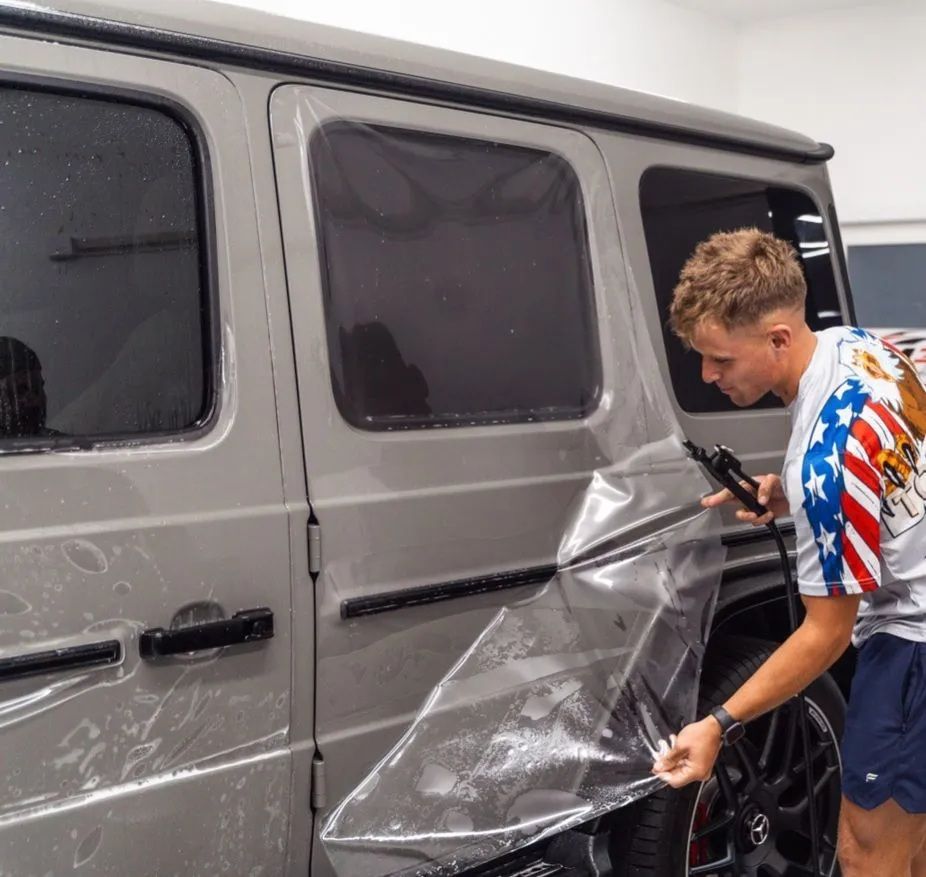
How Age and Sun Exposure Affect PPF Lifespan
Age of the Film
Every film has an expected lifespan depending on its quality and brand, generally ranging from several years to a decade under normal conditions. Proper Paint Protection Film installation plays an important role in achieving the expected lifespan of the film, as incorrect application can lead to premature issues. As film approaches the end of that range, expect to see more of the signs covered above, even if the film was installed correctly.
Sun and Parking Habits
Vehicles parked outdoors for long stretches take on more UV exposure than those kept in a garage or covered area. If your daily routine in Burlington, KY involves parking outside for work or at home without shade, your film may age faster than average.
Maintenance Habits
How you wash and care for your vehicle plays a real role in how long film lasts. Harsh chemicals, abrasive brushes, and waxing directly over film can all shorten its lifespan, while gentle washing and film-safe products help it hold up longer.
Driving Conditions
Frequent highway driving, gravel roads, and exposure to road salt during winter months all add extra wear. Vehicles that log more miles under these conditions tend to need paint protection film replacement sooner than those driven mostly on well maintained city streets.
When to Consider Professional Removal and Reinstallation
If you are noticing several of the signs above, whether it is yellowing, peeling, bubbling, cracking, cloudiness, or visible debris damage, it is time to have your vehicle looked at by a professional rather than attempting a DIY fix. Proper removal matters just as much as installation, since pulling film incorrectly can leave adhesive residue or even damage the paint underneath.
At Top Shine Detailing in Burlington, KY, we inspect film condition, remove old or damaged film safely, and reinstall new film with attention to fit and finish around every curve and edge. A professional evaluation also gives you a clear picture of which panels genuinely need attention, rather than replacing film that still has useful life left.
Conclusion
Recognizing these signs early, from yellowing and peeling to bubbling and reduced clarity, helps protect your vehicle's paint and keeps it looking its best for years to come. Film does not last forever, and understanding what to watch for m
akes it easier to plan for paint protection film replacement before damage reaches the paint itself.
If your vehicle in Burlington, KY is showing any of these warning signs, reach out to Top Shine Detailing to schedule an inspection. Contact us today to find out whether your film needs replacement and get your vehicle back to looking its best.