OUR BLOG
Why Ceramic Coating Should Not Be Applied to Contaminated Paint
At Top Shine Detailing in Burlington, KY, we know the final result of a ceramic coating application depends heavily on what happens before the coating touches the paint. A vehicle can look clean while still carrying bonded contamination, residue, oxidation, and other surface issues that can interfere with preparation.
Applying ceramic coating on contaminated paint can compromise adhesion, reduce durability, and leave the finish looking inconsistent. That is why our process starts with careful cleaning, decontamination, inspection, and paint preparation. We want the coating applied to a properly prepared surface rather than over material that should have been removed first.
Why Is Contaminated Paint a Problem Before Ceramic Coating?
Contaminated paint creates an unstable surface for coating installation. Dirt, road film, iron particles, tar, old product residue, and oxidation can remain on the exterior even when the vehicle appears clean. If those materials are still present during application, the coating may sit partly on contamination instead of bonding consistently with the prepared paint surface.
At our Burlington, KY studio, we treat preparation as part of the coating process so we can work toward an even finish and intended coating performance.
Contamination Can Interfere With Surface Bonding
A coating needs direct, consistent contact with properly prepared paint. Bonded material creates a barrier between the coating and the surface beneath it. Even small areas of contamination can affect how evenly the coating is applied and how consistently it performs across a panel.
Our goal is to remove substances that can interfere with preparation before installation.
Which Contaminants Can Interfere With Coating Adhesion?
Vehicle paint is exposed to contamination through regular driving and outdoor exposure. Some comes off during washing, while bonded material requires further decontamination. At Top Shine Detailing, we inspect paint condition before coating.
Dirt and Road Film
Dirt and road film can collect across lower panels, bumpers, doors, and other exposed areas. While a thorough wash removes loose grime, some residue can remain. If it is not fully removed, that film can keep the surface from being as clean and uniform as needed for coating application.
Our exterior preparation begins with a thorough wash to create a cleaner starting point.
Iron Particles and Brake Dust
Iron contamination can become bonded to painted surfaces and wheels. It may not always be obvious by appearance alone, which is why a normal wash is not always enough. Our ceramic coating package includes chemical paint decontamination with an iron remover.
Addressing iron particles helps us create a properly prepared surface.
Road Tar and Bonded Residue
Road tar and other bonded residue can cling tightly to paint, especially on areas that receive frequent road exposure. These deposits can create isolated spots where the surface feels rough or inconsistent even after routine washing.
When contamination remains attached, coating directly over it can lock that unevenness beneath the finished surface. We focus on proper decontamination before installation so the paint is cleaner and more consistent.
Wax and Product Residue
Wax residue and previously applied surface products can also affect preparation. Even when the exterior looks glossy, leftover material may create a layer between the paint and the coating. A clean appearance does not always mean the surface is ready for installation.
We focus on removing material that could interfere with the coating process.
How Can Oxidation Affect the Final Result?
Oxidation can leave paint looking dull, faded, or inconsistent. Applying a coating over an oxidized surface does not correct the condition underneath. Instead, the existing condition may remain visible and can prevent the finish from achieving the clean, refined appearance we want before protection is installed.
At Top Shine Detailing in Burlington, KY, our ceramic coating process includes paint correction when appropriate, with the extent determined after we inspect the vehicle’s paint. This lets us assess the finish before deciding on preparation.
Surface Condition Matters Before Protection
The coating follows the condition of the surface beneath it. If that surface is uneven, oxidized, or poorly prepared, the final appearance can reflect those problems. Proper inspection helps us determine what preparation is needed before coating.
What Happens When Ceramic Coating Is Applied Over Contamination?
Applying ceramic coating on contaminated paint can create problems that may not be obvious at the moment of installation. Contamination beneath the coating can affect the bond, appearance, and performance over time.
Adhesion Can Become Inconsistent
When contamination sits between the paint and the coating, the coating may not have the same direct contact across the panel. Some areas may be properly prepared while others still contain residue or bonded material. That difference can contribute to inconsistent coating performance.
Durability May Be Reduced
Coating durability depends in part on proper surface preparation. If the coating is applied over contamination rather than a properly cleaned and decontaminated surface, the installation may not perform as intended. This is why preparation matters before final application.
The Finish Can Look Uneven
Bonded particles, tar, residue, or oxidation can remain visible beneath a coating. Rather than hiding those conditions, coating can leave them sealed below the finished layer. Proper preparation allows us to refine the paint first and aim for a cleaner, more uniform result.
Why a Thorough Wash Comes First
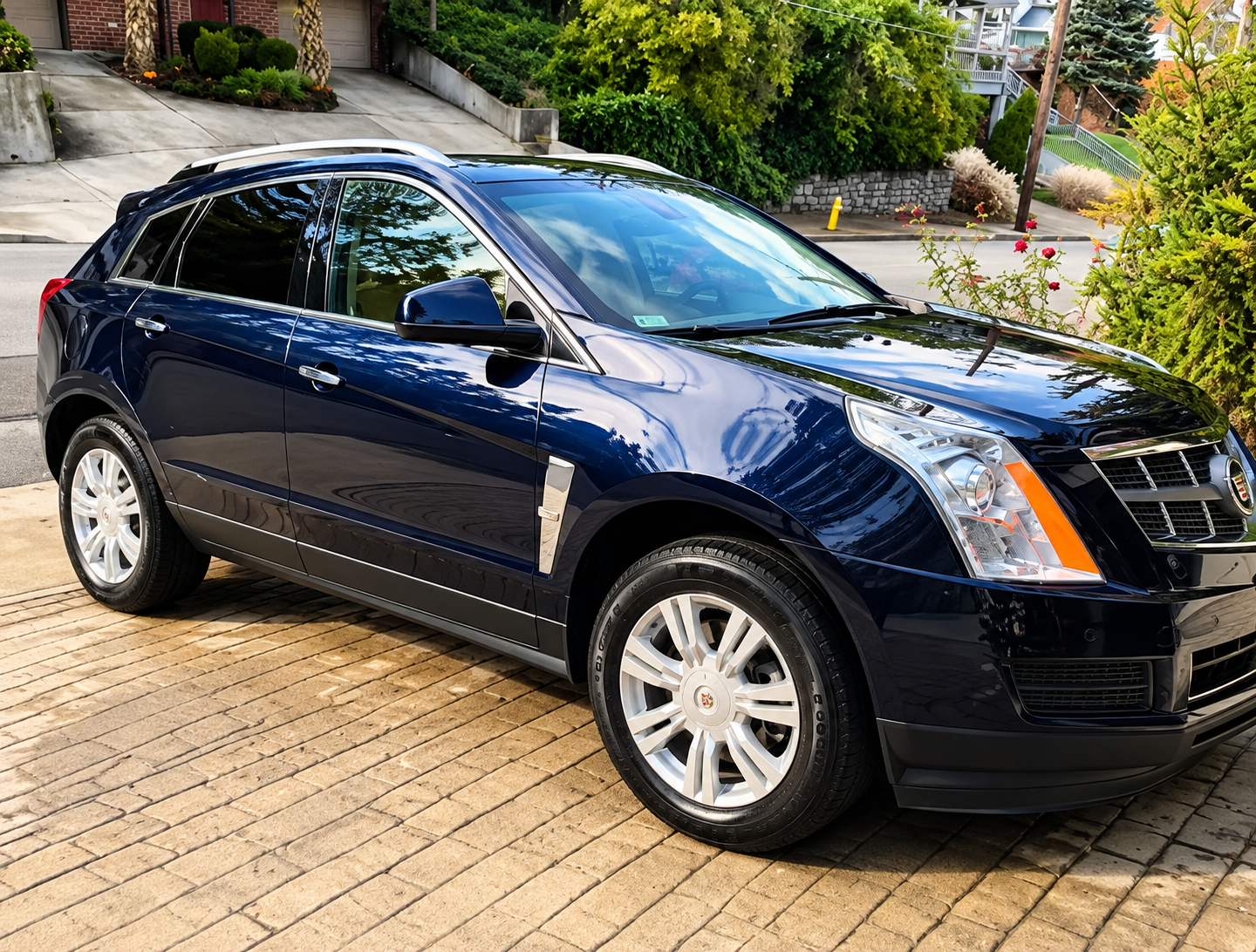
Every coating project needs a clean starting point. At Top Shine Detailing, our ceramic coating package begins with a thorough exterior wash. We also clean and decontaminate the tires, rims, and wheel wells as part of the exterior process.
Washing removes loose dirt and road grime and gives us a clearer view of what still needs attention.
Washing Prepares the Paint for Deeper Decontamination
A wash is important, but it is not the final preparation step. Once loose contamination is removed, bonded material can be addressed more effectively. This staged process moves from general cleaning to focused preparation before coating.
Why Paint Decontamination Is Essential Before Coating
Some contamination stays attached even after a thorough wash. For that reason, our ceramic coating service in Burlington, KY includes both chemical and mechanical paint decontamination. These steps help remove bonded material that ordinary washing may leave behind.
Chemical Decontamination Targets Iron Contamination
We use an iron remover as part of our chemical paint decontamination process. This step addresses iron contamination that can remain bonded to the exterior. Removing it helps create a cleaner surface before additional preparation and coating installation.
Mechanical Decontamination Removes Remaining Bonded Material
Our process also includes mechanical paint decontamination with a clay bar. Clay treatment helps remove bonded contaminants that remain after washing and chemical decontamination. The goal is a smoother, cleaner paint surface that is better prepared for the next stage.
Together, these steps address different types of contamination.
When Is Paint Correction Needed Before Ceramic Coating?
After washing and decontamination, we can evaluate the paint more clearly. Our ceramic coating package includes paint correction, with the extent determined after inspection. Paint condition can vary, so preparation is based on inspection.
Paint correction gives us an opportunity to refine the finish before protection is applied. For paint affected by oxidation or visible surface imperfections, this stage can help create a more consistent appearance before coating installation.
Inspection Guides the Preparation Process
We base the extent of paint correction on what we find during inspection. This allows our team to match preparation to the actual vehicle rather than following a one-size-fits-all approach. Careful inspection supports the coating process.
How Proper Paint Preparation Supports Better Coating Performance
Proper preparation connects every stage of our ceramic coating process. Washing removes loose grime, chemical decontamination addresses iron particles, mechanical decontamination removes remaining bonded contaminants, and paint correction can refine the finish when needed.
Together, these steps create a cleaner and more uniform foundation for coating installation. When we avoid applying ceramic coating on contaminated paint, we can focus on consistent application, gloss, hydrophobic performance, and long-term protection rather than sealing contamination beneath the surface.
Preparation Is Part of the Installation
At Top Shine Detailing, we do not separate preparation from the quality of the finished coating. The coating can only perform as well as the surface prepared underneath it. That is why our Burlington, KY process includes cleaning and preparation before installation.
Preparing Paint for Ceramic Coating in Burlington, KY
At Top Shine Detailing, our ceramic coating service is built around careful vehicle preparation. From our Burlington, KY location, our process includes a thorough exterior wash, wheel-area cleaning and decontamination, chemical paint decontamination with iron remover, mechanical decontamination with a clay bar, paint inspection, and paint correction based on the condition of the finish.
We prepare each vehicle according to its actual surface condition so the finished result reflects the care taken at every stage.
Start With Clean, Properly Prepared Paint
Ceramic coating should not be applied over dirt, iron particles, road tar, oxidation, wax residue, or other bonded contaminants. These materials can interfere with surface contact, reduce durability, and leave the finish looking inconsistent. Proper washing, decontamination, inspection, and paint preparation help create the foundation needed before coating installation.
At Top Shine Detailing in Burlington, KY, we take these preparation steps seriously because the finished coating depends on the surface underneath it. For professional ceramic coating preparation and installation,
contact Top Shine Detailing today to discuss our ceramic coating service and get started with a properly prepared finish.